We are looking for distributors. Contact us and become a U-PROX partner today!
Are you a distributor looking for a brand that both generates high margins and stands out for security innovation?
 Україна
An access control and management system (ACS) is a set of hardware and software tools designed to regulate the entry and exit of personnel, identify individuals, and record events. The main purpose of the ACS is to ensure facility security by controlling access to premises and keeping track of people at the enterprise.
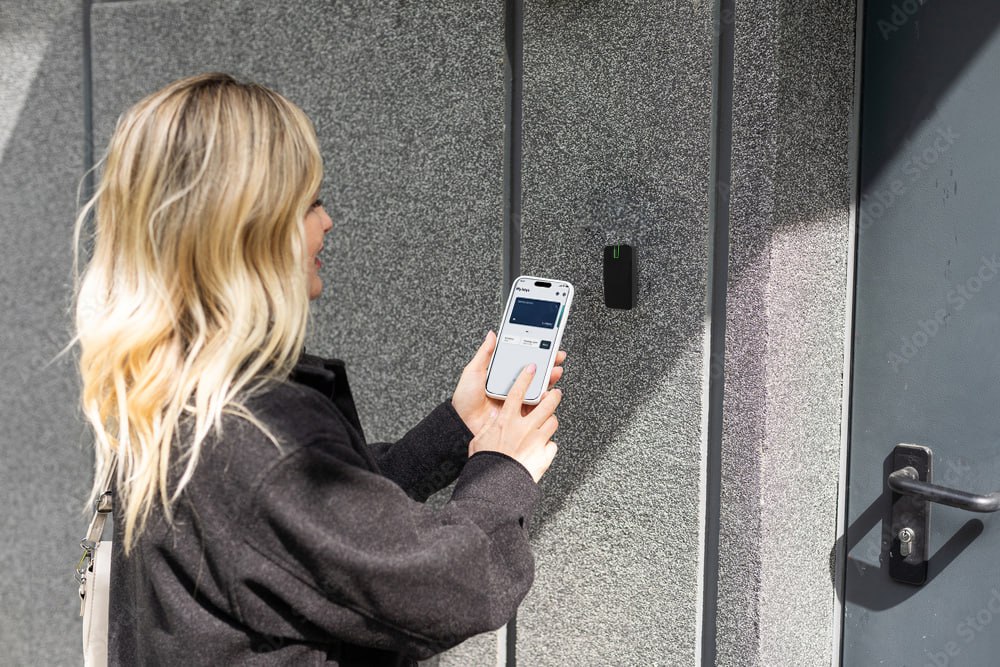
Depending on the size and complexity of the facility, stand-alone or networked solutions are used.
Standalone systems are best suited for small facilities, usually for single door control. Such a system does not require a local or cloud server for configuration, and access rights information is stored directly in the controller.
Standalone systems are easy to install and maintain, but have limited functionality and basic access levels. They do not provide event monitoring, reports, centralized management of identifiers and access rules. To configure such controllers, you need to visit the facility and be physically present at the site.
Network access control systems, in turn, are more complex solutions that run specialized software on a central server or cloud platform. Such ACSs allow you to manage multiple access points, remotely change settings, maintain centralized registration, generate reports, analyze events, and generate time sheets.
Regardless of the type of ACS, the first thing that meets a person at the entrance is the readers, which are directly related to the type of identifiers used.

Readers are responsible for transmitting information from the identifier to the access controller to make a decision and record the event and then to the server. They can support different types of identification:
After receiving information from the reader, the controller independently decides to grant or deny access according to the access rules and identifiers loaded into it and controls the actuator: an electric lock or turnstile, gate, barrier.
Connection to the actuators is carried out using a controller relay.
Proper connection and high-quality ACS components ensure stable and reliable operation of the system.
Want to find the best security solution for your facility? Contact our technical specialists for advice.
Are you a distributor looking for a brand that both generates high margins and stands out for security innovation?

Protecting a property starts beyond the building itself. Entrances, yards, driveways, and other outdoor areas need monitoring to help identify an intrusion before someone reaches the premises. Wh...

U-PROX United combines the capabilities of the existing U-PROX Home and U-PROX Installer applications with a modern design and an even more user-friendly interface.

This August, U-PROX Africa hit the road with an impressive nationwide roadshow, showcasing our cutting-edge security solutions to professionals across the country. From Johannesburg to Cape Town, leading security companies experienced firsthand the power of U-PROX innovation.

We are proud to announce the strategic expansion of the U-PROX brand into the DACH region (Germany, Austria, Switzerland) through a new official distribution partnership with i-Alarmsysteme GmbH.
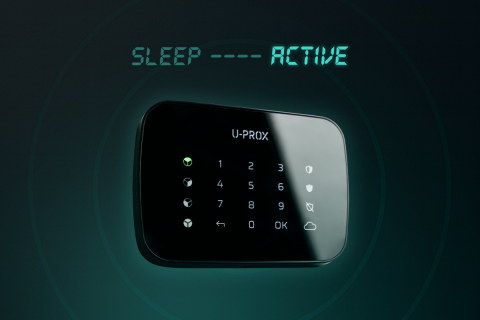
Do you want your security system to respond instantly and operate longer without replacing batteries? WOR (Wake-On-Radio) in wireless security systems is a technology that allows radio devices to remain in deep sleep mode and “wake up” only when a specific radio signal is received.
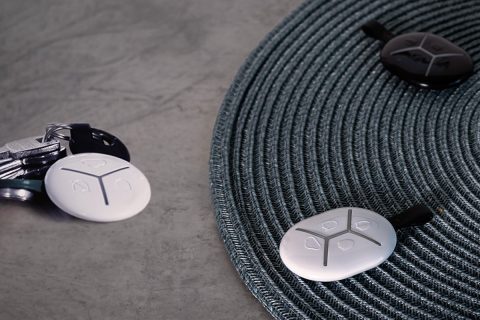
These compact and stylish devices allow you to quickly and intuitively control your security system: arm or disarm it, activate partial protection, or instantly raise the alarm.
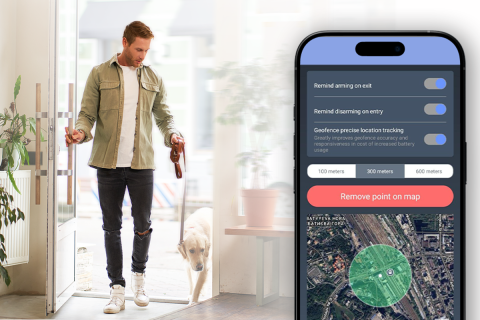
With the geo-reminder feature in the U-PROX Home app, you can always be sure that your property is protected when you need it to be.
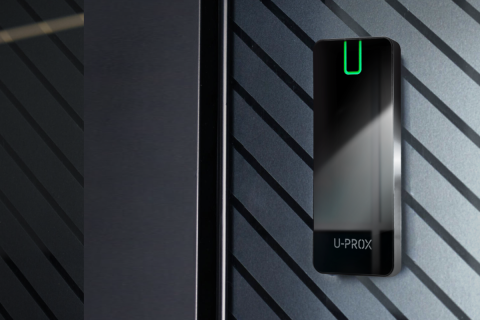
Introducing U-PROX SE Slim – a stylish and reliable access control reader that uses a unique design solution – a tempered glass panel. This is the glass you see every day on smartphone screens.

We offer security companies to simplify the payment process for their subscribers as much as possible by using the billing functionality in the U-PROX Home mobile application.